Avoid hidden charges in Catford rubbish removal quotes
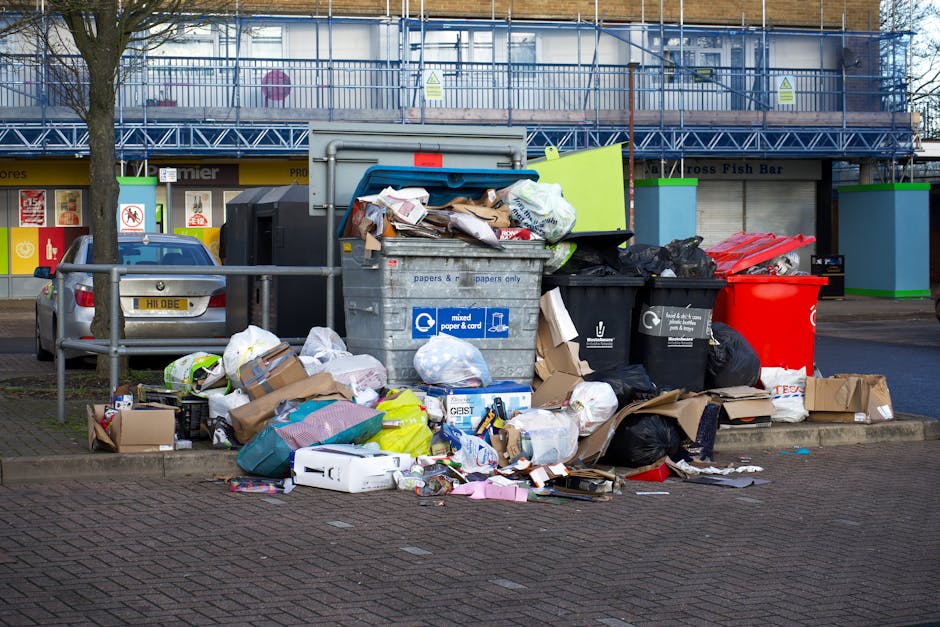
If you have ever booked a rubbish removal job and then felt that uneasy "hang on, where did that extra fee come from?" moment, you are not alone. Hidden costs can turn a straightforward clear-out into a frustrating bill, especially when you are comparing Catford rubbish removal quotes and trying to make a sensible decision fast. The good news is that most surprises are avoidable once you know what to look for, what to ask, and which details really matter before the team arrives at your door.
This guide breaks down how to avoid hidden charges in Catford rubbish removal quotes in plain English. You will learn how pricing is normally put together, which line items deserve a second look, how to compare quotes properly, and what to do when a quote sounds good but feels a bit too vague. Let's make the process clearer, calmer, and a lot less painful. Truth be told, a good quote should feel boring in the best possible way.
Why Avoid hidden charges in Catford rubbish removal quotes Matters
Rubbish removal is one of those services that seems simple until the practical details start piling up. One person says "a van and two loaders," another mentions "minimum charge," and a third adds a line about access, disposal, and supplements. That is exactly where hidden charges creep in. If the quote is not specific, you may only find out about extra costs when the crew is already on site and the job needs to be completed.
In Catford, where homes range from compact flats to larger terraces and busy business premises, pricing can shift depending on access, volume, item type, parking, and how long the load takes to clear. A quote that looks cheap at first glance may not include the things that matter most. That is why careful checking saves money and stress.
Key point: the cheapest quote is rarely the best value if it hides disposal fees, labour extras, or access charges that appear later.
And yes, it can happen on a rainy Tuesday when you are trying to get a sofa out of a narrow hallway and the driver suddenly mentions a charge for "difficult access." Nobody wants that conversation.
How Avoid hidden charges in Catford rubbish removal quotes Works
Most rubbish removal pricing is built from a few core elements. When those elements are clearly explained, the quote is usually fair and easy to understand. When they are not, the final bill can become awkward very quickly.
1. The volume or load size
Many providers price by the amount of waste they are collecting, often based on how much space it takes in the vehicle. A small load, half load, and full load are common pricing structures. That sounds straightforward, but the detail matters. If the quote only gives a rough estimate without defining what counts as a load, the final cost can drift.
2. Labour time and handling
Some quotes include labour for loading, while others assume easy access and quick loading only. If items are up several flights of stairs, hidden in a loft, or packed into a garage that has not seen daylight in years, extra handling may be added. That is not automatically unfair. The issue is whether it was stated up front.
3. Disposal type
Different waste streams cost different amounts to process. General household waste is one thing. Mixed builders' waste, appliances, mattresses, fridges, or hazardous items are another. If a quote treats everything the same, you should ask how special items are priced before agreeing.
4. Access and parking
Parking restrictions, long carries from the property to the vehicle, controlled loading zones, and awkward access routes can all affect the price. In a place like Catford, that can be the difference between a smooth collection and a slightly more complicated one. Better to mention it early than debate it at the kerb.
5. Minimum charges and add-ons
Some companies have a minimum charge, which may make sense for small jobs. Others may add supplements for same-day service, heavier items, out-of-hours work, or extra stops. The important part is transparency. If the quote has conditions, they should be easy to see and easy to understand.
A clear quote should answer a simple question: what exactly am I paying for, and what could increase the price?
Key Benefits and Practical Advantages
A transparent quote is not just about saving a few pounds. It affects the whole experience. When the pricing is clear, you can plan better, compare providers properly, and avoid that slightly tense feeling of waiting for a surprise invoice.
- Better budgeting: you know the likely total before the collection day.
- Cleaner comparisons: you can compare like-for-like quotes rather than guess what is included.
- Less stress on the day: there is no awkward haggling while the van is outside.
- Fewer disputes: everything is clearer if there is a question later.
- More trust: a provider that explains pricing well usually handles the job professionally too.
There is also a practical side people often overlook: clearer pricing helps you decide whether rubbish removal, a partial clearance, or another disposal option is the better fit. For example, if you are clearing furniture, it may be worth checking the provider's furniture disposal page or looking into specific services like mattress and sofa disposal if the items need special handling. That can sometimes give you a more accurate price from the start.
And to be fair, peace of mind is a benefit on its own. Nobody enjoys comparing quotes at 9pm with a cup of tea gone cold.
Who This Is For and When It Makes Sense
This advice helps almost anyone booking waste collection in Catford, but it is especially useful if your job has a few unknowns. If your clearance is simple and small, pricing may be easy. If there are stairs, bulky items, mixed waste, or tight access, it becomes much more important to check the fine print.
This topic is relevant if you are:
- clearing a flat, maisonette, or terraced property
- removing old furniture, white goods, or a mattress
- tidying a loft, garage, garden, or home storage space
- dealing with builders' waste after repairs or refurbishment
- arranging office or business waste removal
- trying to compare several quotes without getting burned by extras
If you are dealing with a larger household clearance, you may also want to look at services such as house clearance, home clearance, or flat clearance so you can match the service to the scale of the job. The better the match, the fewer surprises later.
Not every quote problem is about dishonesty. Sometimes it is just poor communication. But if you know the questions to ask, you can filter out the vague ones quickly.
Step-by-Step Guidance
Use this process before you accept any rubbish removal quote. It is simple, but it works.
- List everything that needs removing. Be specific. "A few items" is not enough. Write down sofas, chairs, bags, broken shelving, old appliances, and anything else that matters.
- Separate standard waste from special items. Fridges, mattresses, hazardous materials, confidential paper, and builders' waste may need different pricing. If relevant, check specialist pages such as fridge and appliance removal or hazardous waste disposal.
- Describe access honestly. Mention top-floor flats, narrow stairs, basements, long driveways, parking restrictions, or rear garden access. It saves time later, and usually money too.
- Ask what the quote includes. Loading, labour, disposal, VAT if applicable, and any permit or parking-related costs should be clear.
- Ask what would change the price. This is the big one. If they say "anything extra," ask for examples.
- Request the quote in writing. A written quote gives you a reference point. It does not need to be fancy, just clear.
- Compare total value, not just headline price. A slightly higher quote can be better if it includes full loading, disposal, and no awkward add-ons.
- Confirm the service details before collection. Make sure the agreed items, date, and payment terms are still the same before the team arrives.
If a provider offers online booking, it is still worth reading the pricing details carefully. A well-structured booking system should support transparency, not replace it. You can also review the company's pricing and quotes information to understand how they present costs before you commit.
Expert Tips for Better Results
Here are the details that often make the difference between a smooth collection and a messy surprise.
Be precise about waste type
"Mixed waste" can mean very different things to different providers. One person's mixed load is another person's disposal headache. If you have garden waste, plasterboard, furniture, electrical items, or office paperwork, say so early. The right quote depends on what is actually going in the vehicle.
Photographs help a lot
Photos are not just useful for big jobs. A few clear pictures can help a provider estimate volume and spot tricky items. Stand back a little. Show the pile, not just the sofa leg. It sounds obvious, but people often send close-ups and wonder why the quote changes later.
Ask about recycling expectations
Some rubbish removal jobs involve sorting materials for reuse or recycling. If sustainability matters to you, mention it. A reputable provider should be able to explain how waste is handled and whether certain items are separated for recycling where possible. You can also look at their recycling and sustainability information for a better sense of their approach.
Check terms before the collection day
Terms and conditions are rarely exciting reading, but they often explain cancellation rules, access assumptions, payment timing, and what happens if the job changes. A minute spent reading them can save a lot of back-and-forth later. If you want the small print in one place, review the terms and conditions.
Think about awkward items early
Mattresses, sofas, fridges, and bulky white goods can all affect the quote. So can items that need special handling or disposal routing. If the job includes unusual pieces, mention them as part of the first conversation rather than as a last-minute add-on.
Expert summary: The safest way to avoid hidden charges is to make the quote easier to price correctly in the first place. Clear item list, clear access details, and clear expectations. Simple, really.
Common Mistakes to Avoid
Most quote problems come from a handful of predictable mistakes. The frustrating part is that they are all avoidable.
- Only asking for a rough price. Rough estimates are fine as a starting point, but not if you plan to compare them as final costs.
- Not mentioning stairs or access issues. If your waste is on the third floor and the lift is out, that changes the job. A lot.
- Forgetting special items. One fridge, one mattress, or one bag of hazardous waste can alter the pricing structure.
- Assuming all quotes include the same things. They usually do not.
- Ignoring minimum charges. A small job can still have a minimum fee, even if the pile looks tiny from your side.
- Choosing only on headline price. The cheapest quote can become the most expensive if extras appear later.
- Not asking who handles loading. If you thought labour was included and it is not, that is where tension starts.
One common little trap: people say "it's only a few bin bags" when the bags are heavy, mixed, or difficult to carry. The quote might be fair, but it needs the full picture. Otherwise, the estimate is being asked to do a job it simply cannot do.
Tools, Resources and Recommendations
You do not need fancy software to avoid hidden charges. A few basic habits are enough.
- A simple item list: write down every item or waste type you want removed.
- Photos on your phone: take wide shots of the pile and one or two close-ups of unusual items.
- A note of access details: floor number, parking restrictions, gate codes, loading distance, and any time limits.
- A written quote or confirmation: keep it somewhere easy to find.
- A checklist of questions: so you do not forget to ask about disposal, labour, and extra charges.
If you are unsure what can be collected in a single load or whether your items are suitable for a particular disposal method, a page like what can go in a skip can help you think through material types, even if you are not booking a skip itself. It is useful for understanding what separates ordinary rubbish from restricted waste.
For businesses, it can also be worth reviewing business waste removal or office clearance if the job involves desks, filing, confidential materials, or day-to-day commercial waste. That helps avoid the wrong service being quoted in the first place.
One small recommendation: if a quote feels slippery, ask for it again in plain language. A good provider will not mind.
Law, Compliance, Standards, or Best Practice
For rubbish removal, compliance is not just a box-ticking exercise. It affects how waste is handled, transported, and disposed of. In the UK, waste carriers should operate lawfully, waste should be transferred responsibly, and hazardous materials need extra care. You do not need to become an expert in the regulations, but you do need to know enough to ask sensible questions.
Best practice usually means the provider should be able to explain:
- how waste is collected and transported
- what happens to items that can be reused or recycled
- how special items are separated or treated
- what is and is not included in the price
- how complaints or problems are handled
For example, if the collection involves electrical items, fridges, or anything that may need specialist disposal, pricing should reflect that clearly. If the load includes materials that could be hazardous, transparency becomes even more important. No one wants a vague answer when the item in question is heavy, awkward, or potentially sensitive.
It is also sensible to review provider information about insurance and safety, because professionalism shows up in the details. A clear quote, proper handling, and sensible safety practices tend to go together. Not always, but often enough to matter.
And if something does go wrong, you should know whether there is a complaints route. That is where a clear complaints procedure helps. The best companies are not the ones that never face issues; they are the ones that handle them properly.
Options, Methods, or Comparison Table
When people compare rubbish removal options, they often look only at the upfront figure. That is a mistake. A better comparison is to look at what is included, what can change, and how much clarity you are getting in return.
| Quote type | What it usually means | Risk of hidden charges | Best for |
|---|---|---|---|
| Vague estimate | A rough price with limited detail | High | Quick enquiries, but not ideal for final booking |
| Itemised quote | Lists load, labour, disposal, and known extras | Low to medium | Most home and business clearances |
| Fixed quote with conditions | Set price if the job matches the description | Low, if the description is accurate | Clear, well-documented jobs |
| On-site assessment price | Price confirmed after seeing the waste in person | Low, if handled transparently | Large or uncertain clearances |
If you already know the job is specialised, a tailored service page can help you frame the enquiry better. For example, builders waste clearance is useful if your job involves rubble, plasterboard, packaging, or renovation debris, while garden clearance is better for green waste, soil, branches, and outdoor clutter.
The method matters because different waste streams create different handling and disposal costs. Simple as that.
Case Study or Real-World Example
Picture a typical Catford flat clearance. The customer has a broken wardrobe, two office chairs, several bags of mixed household rubbish, and an old mattress. The first quote they receive sounds excellent, but it only covers "basic loading" and does not mention stair carry, mattress disposal, or access conditions. The second quote is slightly higher, but it includes labour, disposal, and the special item fee in writing.
Which one is actually cheaper? Usually the second. And more importantly, it is the one less likely to trigger a surprise on the day.
In a real-world situation like this, the customer should mention the number of floors, whether there is a lift, and whether parking is straightforward. If there is a narrow hallway or a rear access route through a shared garden, that matters too. A provider that understands those details can price accurately instead of guessing.
Here is the part many people recognise later: the cheaper quote often feels better at first, then gets awkward when the job starts. The clearer quote feels less exciting at the start, but much better at the finish. That's the one you usually remember with relief.
For more complex household clearances, services such as loft clearance, garage clearance, and furniture clearance can help match the pricing more closely to the job. Matching service to waste type is one of the easiest ways to avoid surprise costs.
Practical Checklist
Use this quick checklist before you accept a quote. It is small, but very effective.
- Have I listed every item or waste type accurately?
- Have I mentioned stairs, lift access, parking, and distance from the property to the vehicle?
- Do I know whether labour is included?
- Do I know whether disposal fees are included?
- Have I asked about extra charges for fridges, mattresses, or hazardous items?
- Is the quote written down clearly?
- Do I understand the cancellation or change policy?
- Have I compared total value rather than headline price?
- Do I know who to contact if the quote changes?
- Am I confident the provider understands my job properly?
If you can tick most of those boxes, you are in a much safer position. If not, pause and ask a few more questions. Better a slower booking than a messy invoice, honestly.
Practical takeaway: the best protection against hidden charges is not bargaining harder. It is giving the provider enough detail to quote properly the first time.
If you are ready to move forward with a clear understanding of the price, you can review the book online option once you have checked the details that matter most to you.
Conclusion
Avoiding hidden charges in Catford rubbish removal quotes comes down to clarity, honesty, and a little bit of healthy scepticism. Ask what is included, explain the job properly, and do not let a very low headline price distract you from the details. If a quote is transparent, written clearly, and based on the real job rather than a vague guess, you are far more likely to get a smooth, fair experience.
That does not mean every low quote is bad or every high quote is good. It means you should compare carefully and trust the provider that communicates best. In the end, a well-handled clearance is one less thing hanging over your head, and that is worth quite a lot on a busy day.
Get a free quote today and see how much you can save.
Frequently Asked Questions
How do I spot hidden charges in a rubbish removal quote?
Look for vague wording, missing disposal details, unclear labour terms, and extras that are only mentioned later. A proper quote should explain what is included and what could change the price.
Why do rubbish removal quotes vary so much?
They vary because jobs are not identical. Volume, access, waste type, special items, and labour all affect the price. Two jobs that look similar on the surface can cost very differently once the details are known.
Should I always choose the cheapest quote?
Not necessarily. A cheaper quote can be missing important parts of the job. Compare the total value, not just the headline figure, and check whether loading, disposal, and special items are included.
Is a written quote better than a verbal one?
Yes. A written quote gives you something to refer back to if the job changes or a charge is questioned later. It does not need to be long; it just needs to be clear.
What details should I give to get an accurate quote?
List the waste types, number of items, access conditions, parking situation, floor level, and any bulky or special items. Photos help too, especially for larger or mixed loads.
Do special items always cost extra?
Often they do, but not always in the same way. Fridges, mattresses, sofas, and hazardous items may need different handling or disposal, so it is best to ask in advance rather than assume.
Can hidden charges appear after the collection starts?
Yes, if the original description was incomplete or the provider's quote was not transparent. That is why it is so important to confirm what could trigger an extra fee before the team arrives.
How do I compare Catford rubbish removal quotes fairly?
Compare the same things across each quote: load size, labour, disposal, special items, access assumptions, and any possible extras. If one quote is missing detail, treat it with caution.
What if my job involves a loft, garage, or flat?
Then access becomes a bigger factor. Mention stairs, lifts, narrow hallways, parking, and carry distance. Services such as loft clearance or garage clearance can be helpful if the job is more than a simple one-room tidy-up.
Do rubbish removal companies charge for waiting time?
Some do, especially if access is delayed or the job takes much longer than expected. Ask about timing and whether there are any delay-related charges before the collection date.
What should I do if the final bill is higher than expected?
Ask for a clear explanation and compare it with the written quote or agreed terms. If the charge was not explained beforehand, raise it through the provider's complaints process. Keep calm, keep the paperwork, and ask for specifics.
How can I avoid surprises when clearing a business property?
Give full detail about the waste type, volume, access, and any confidential materials. For business premises, pages like business waste removal and office clearance can help you match the service to the job more accurately.
Is it worth checking a company's policies before booking?
Yes. A good company should be transparent about payment, safety, terms, and complaints. Pages such as payment and security and insurance and safety can give you extra confidence before you commit.
If you want a smoother, less stressful clearance, choose clarity over guesswork. That one decision saves a lot of fuss later, and frankly, that is a relief worth having.