Commercial Waste Removal in Catford

Commercial waste removal in Catford should be straightforward, lawful and suited to the way your premises actually work. We collect mixed business waste, bulky items, office contents and other non-hazardous materials from shops, offices, studios, workshops and managed buildings, then route each load for appropriate handling. The aim is to keep your premises clear without turning a routine clearance into a disruption, while giving you a clear way to request a quotation when you need one.
Our service is arranged around the type of waste, the access available and the volume that needs moving, so the work can be planned sensibly rather than treated as a one-size-fits-all job. That matters when waste builds up after refurbishments, relocations, stock changes or day-to-day trading. If you need a practical response for a one-off clearance or a repeated removal pattern, we can help with the right waste stream and a clear discussion of what needs taking away.
For businesses that want a tidy and compliant approach, the first step is usually simply to describe what has to go, where it is located and how often it appears. Useful details save time because they help shape the collection method, the likely loading effort and the best disposal route. If you already know that certain items need extra handling, separate them in your description so the quotation reflects the job properly.
Business waste collections for everyday operations
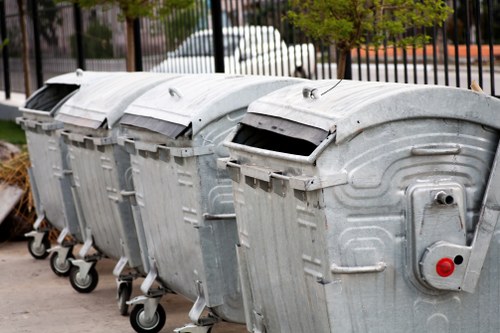
Business waste collections cover the regular material that accumulates in workspaces, customer areas and storage rooms. That can include cardboard, packaging, broken fixtures, outdated stock, paper archives and mixed rubbish that should not remain on site any longer than necessary. We handle these collections with a focus on practical access and sensible sorting, so your premises can keep functioning while the waste is removed in a controlled way.
Where offices, retail units and trade counters generate different waste types over time, a single collection may involve several categories that need separating before disposal. We can manage that by understanding what is present and how it is stored. This reduces confusion at the point of removal and helps ensure the right materials are directed into the right processing stream, rather than being mixed without consideration.
For busy businesses, the most helpful preparation is often basic rather than complicated. A short list works well:
- what needs removing
- rough quantity or number of items
- any access limits such as stairs, loading bays or narrow entrances
- whether the items are loose, bagged or boxed
Office clearance and workplace furniture removal
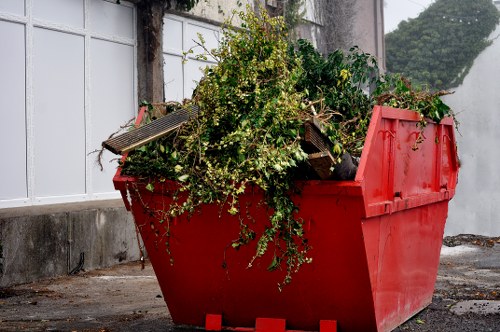
Office clearance and workplace furniture removal often involve desks, chairs, filing units, shelving, reception furniture and general office contents that are no longer needed. We can remove individual items or larger groups of fittings, depending on whether you are reorganising, moving out, or refreshing a working environment. The service is designed to be careful around shared entrances, corridors and stairwells where moving bulky objects needs a measured approach.
Some clearances are mostly about furniture, while others involve a broader mixture of items such as monitors, storage boxes, signage and redundant equipment housings. The practical point is to separate what is staying from what is going, and to note anything that may need special handling. That lets us organise the right lifting method and avoid unnecessary delay when the collection takes place.
We also support customers who need a simple way to compare the size of the job before proceeding. In those cases, a short description of the layout, item count and access route is usually enough to begin. If the clearance is tied to an office move or exit, it is sensible to include the timing you are working to, so the waste removal can be aligned with the rest of the plan.
Furniture disposal and bulky item removal
Furniture disposal covers the removal of bulky domestic or commercial items that are awkward to move and unsuitable to leave in storage. That includes wardrobes, tables, cabinets, sofas, chairs and similar pieces that may have reached the end of their usable life. We collect items in a way that supports loading, sorting and onward disposal without making the process more difficult than it needs to be for the customer.
Bulky items can create different challenges depending on size, condition and access. A large item in a ground-floor office may be relatively simple to move, while a damaged piece in an upstairs room or through a narrow stairwell requires more careful planning. The job is usually easier when you tell us whether the item is intact, dismantled or partly broken, because that affects how it can be handled.
When furniture is being removed alongside other waste, it is often best to keep the description broad but honest. Mention mixed materials, any glass elements, and whether there are attached fittings or loose parts. This helps the quotation reflect the work accurately and supports a tidy, practical removal rather than a rushed collection that overlooks important details.
About Catford
Catford is a district in the London Borough of Lewisham in south-east London, known for its distinctive town-centre identity and long association with suburban growth, transport links and civic landmarks. The area developed significantly during the late nineteenth and early twentieth centuries as rail connections strengthened and housing spread beyond the older village core. Today, Catford sits on a busy corridor between central Lewisham and neighbouring parts of south London, with local streets, shopping parades and civic buildings creating a varied urban character. One of its best-known landmarks is the striking Catford Cat, a large fibreglass cat sculpture on the side of the former Catford Centre, which has become a familiar visual symbol for the district. Another prominent feature is Catford Broadway, the commercial heart of the area, where retail and public transport activity are concentrated. The district also contains a mix of residential streets, green spaces and community facilities, including parts of Mountsfield Park and Ladywell Fields within the wider local setting. Catford’s built environment combines post-war redevelopment, Victorian and Edwardian terraces, and newer infill, so the streetscape can shift noticeably from one block to the next. Transport remains important to the area’s identity, with rail services and main roads linking Catford to central London and surrounding neighbourhoods. This combination of history, movement and mixed land use gives Catford a practical, everyday London character rather than a single architectural style or one-note town centre.
Clearance for homes, flats and mixed premises

Although the main focus here is commercial waste removal, many collections involve properties that contain both business and domestic items. That can happen in converted buildings, small mixed-use premises or buildings where storage spaces have accumulated furniture, bags, paperwork and miscellaneous waste over time. We can handle those clearances as long as the items fall within the agreed scope and the access arrangements are clear enough to plan the work properly.
Mixed premises often need a slightly more careful conversation because one area may contain archive boxes, another may hold old furniture, and a third may include general rubbish or broken fixtures. It is useful to identify which spaces are part of the clearance and which are not, especially where neighbours, landlords or managing agents are involved. That keeps the collection efficient and helps avoid unnecessary disturbance.
If you are unsure whether a set of items belongs in a general waste load or a separate specialist category, describe them plainly rather than guessing. A brief note about their condition, storage location and approximate amount is usually enough to start the quotation process. Clarity at the outset tends to reduce back-and-forth and makes the final arrangement easier to confirm.
Builders waste and refurbishment debris
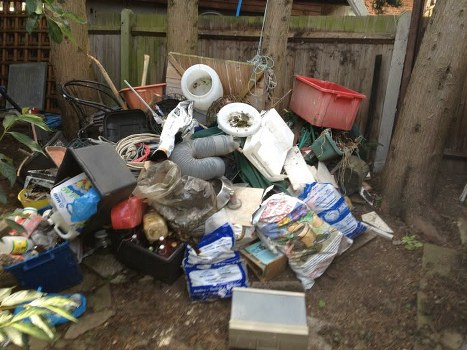
Builders waste and refurbishment debris can build up quickly during fit-outs, repairs and light commercial improvements. Typical materials may include timber offcuts, plasterboard, packaging, fixtures, broken units and general site rubbish. We remove this kind of material with an eye on access, lifting effort and the sort of waste stream involved, because building-related loads are often different from ordinary office or shop waste.
Where the waste comes from renovation or strip-out work, it helps to know whether it is loose, bagged, stacked or mixed with reusable items. That distinction affects how the collection is organised and whether extra separation is needed before loading. If the job includes both building debris and redundant furniture, it is sensible to describe each part so the waste can be handled in a practical order.
For smaller projects, the main decision is often whether to wait until the waste has accumulated or clear it in stages. Either approach can work, but the right choice depends on space, timing and site access. A short, accurate description of the work usually gives enough context to plan the removal without overcomplicating matters.
Special items and responsible handling
Some collections involve items that need more than simple lifting because of their material type or condition. This can include fridges, appliances, confidential paper or items that should not be mixed casually with ordinary rubbish. We offer handling for certain specialised waste types where they sit within the service scope and can be described clearly in advance. When in doubt, it is better to state exactly what the item is rather than using a general label.
Different waste types may call for different sorting and disposal decisions, so accuracy matters. A damaged appliance, a batch of archive boxes or a collection of mixed office waste should not be treated as identical loads. That is why a focused description helps the quotation and the collection itself. If materials appear to involve restricted handling, they should be identified early rather than left until the day of removal.
Useful information is usually practical rather than lengthy: what the item is, where it is stored, whether it still contains contents, and whether anyone needs to be present to provide access. Those details do not need to become a full inventory, but they do support a more suitable plan. If you would like to proceed, send the basic details first and build from there.
How quotations are usually prepared
Quotations for commercial waste removal are typically shaped by the type of material, the overall volume, the labour needed to move it and any access limitations at the site. A straightforward ground-floor collection is not the same as removing bulky waste from upper rooms, storage cupboards or areas with constrained loading access. Clear information helps the price reflect the actual work rather than a vague estimate.
It also helps to note whether the clearance is one-off or likely to recur. Regular waste removal can sometimes be discussed differently from a single load because the pattern of work, storage pressure and collection frequency may vary. That does not mean every repeat job is identical; it simply means the quotation can be aligned more closely with the way the premises operate.
When you are ready to compare options, think in terms of the job itself rather than just the items. Volume, weight, handling effort and separation requirements all matter. A good enquiry is usually short, specific and honest, and that tends to produce a more useful response than trying to make the waste sound larger or smaller than it is.
Planning access, timing and site conditions
Access is a major part of any commercial clearance because it affects how quickly waste can be removed and how carefully items need to be moved through the building. Narrow stairs, shared corridors, lifts, loading restrictions and parking arrangements can all influence the removal method. The more clearly these conditions are described, the easier it is to arrange a practical collection.
Timing also matters when businesses are trying to keep premises open, prepare for a changeover or clear a space outside trading hours. You do not need to provide an elaborate schedule, but it is helpful to say whether access is limited to certain times or whether the site has specific entry procedures. That allows the work to be discussed in a way that fits real operating conditions.
In some cases, the most important detail is not the waste itself but the environment around it. Shared buildings, managed estates and busy front-of-house spaces may require extra coordination. If that applies, mention it plainly so the collection can be arranged with the right expectations from the start.
Recycling, sorting and disposal choices
Responsible disposal is not only about taking waste away; it is also about making sure material is directed through suitable handling routes. Mixed commercial waste may include recyclable items, reusable fixtures and general rubbish, and each may need a different approach depending on condition and composition. We work with those distinctions in mind so that the waste removal is organised sensibly rather than treated as a single undifferentiated load.
Customers sometimes want a simple explanation of what happens next, and a clear answer is best: the waste is collected, assessed by type and prepared for the right onward route where possible. Not every item can be treated the same way, and some materials will have more limited options than others. That is normal in waste handling, so it is better to describe items accurately than to assume everything belongs in one category.
If sustainability is a priority for your business, it is useful to mention that in the enquiry. It will not change the physical realities of the job, but it does help focus the discussion on sorting and disposal decisions. Careful separation often makes the process more sensible for both the premises and the waste stream.
Request a quotation for commercial waste removal
If you need commercial waste removal in Catford, the easiest next step is to outline the items, the location and any access issues in plain language. A good quotation starts with the facts: what needs clearing, how much there is, where it is stored and whether the waste is mixed with furniture, archive material or other bulky items. That gives us the right starting point for a sensible response.
Keep the description brief but complete, especially if the work involves offices, retail stock, builders debris or specialised items that require extra attention. You do not need a long explanation; a short note is usually enough to open the discussion and shape the collection properly. If you would like to move ahead, request a quotation and we can take it from there.
For a straightforward next step, contact us and tell us what needs removing. If you are comparing options or timing, you can also review the pricing and quotes page before you decide. We are ready to help when you are ready to clear the space.